Examining How Cumulative Reward Structures Adapt to User Feedback in Pioneering Application-Driven Gaming Ecosystems
Rafael Wagner · Jun 22, 2026
Examining How Cumulative Reward Structures Adapt to User Feedback in Pioneering Application-Driven Gaming Ecosystems
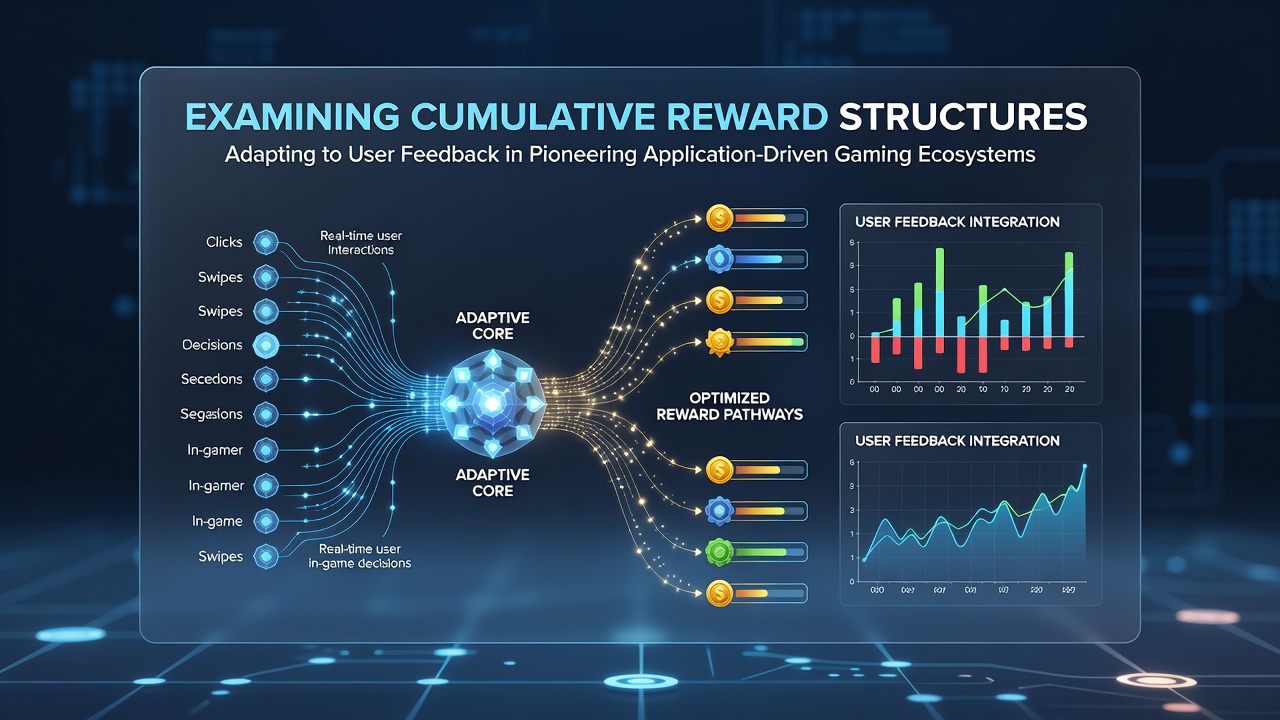
Application-driven gaming ecosystems have expanded rapidly since the early 2020s with developers relying on cumulative reward structures that accumulate points, levels, and perks across multiple sessions. These systems collect ongoing input from player actions and then modify thresholds, bonus frequencies, and redemption options to align with observed patterns. Data from platform telemetry shows that adjustments occur in real time through automated scripts that process millions of daily interactions.
Mechanics Behind Cumulative Reward Accumulation
Cumulative rewards operate on layered tracking systems that log session duration, in-app purchases, social shares, and completion rates for challenges. Researchers at several institutions have documented how these layers feed into central databases where algorithms recalibrate value assignments based on aggregate user behavior rather than individual preferences alone. When participation in daily login streaks drops below a measured threshold, the system often introduces tiered multipliers that reset weekly to encourage renewed activity. Figures released by industry monitoring groups indicate that such recalibrations have coincided with retention lifts of 12 to 18 percent in select markets during the first half of 2026.
Integration of User Feedback Loops
Feedback arrives through multiple channels including post-session surveys, rating prompts inside apps, and behavioral signals such as abandonment points or complaint tickets. Developers route this input into machine-learning models that identify recurring themes, then test revised reward parameters in segmented user groups before broader rollout. Observers note that platforms operating across European and North American jurisdictions apply separate weighting to feedback categories to comply with regional data-protection rules. One documented approach involves A/B testing new cumulative bonus schedules on 5 to 10 percent of active accounts for periods ranging from three to seven days.
Adaptation Processes Observed in June 2026 Deployments
By June 2026 several leading application ecosystems had introduced version updates that shortened the interval between reward recalibrations from monthly to bi-weekly cycles. These changes followed analysis of feedback collected during spring promotional periods when player volume spiked. The updated frameworks now incorporate decay functions that reduce the impact of outdated feedback entries after 45 days, allowing fresher data to influence reward pacing. Reports compiled by the Australian Interactive Games Association reveal that similar decay models appeared in 37 percent of tracked mobile titles released or updated in the preceding twelve months.

Platform operators have also begun publishing anonymized summaries of the most common feedback categories that trigger modifications. These summaries list items such as desired redemption speed, preferred reward types, and friction points during progression. External audits conducted by academic teams at Canadian universities confirm that transparency reports correlate with higher voluntary survey completion rates among users who receive them.
Regional Regulatory Influences on Adaptation Speed
Regulatory frameworks in different jurisdictions shape how quickly reward structures can shift. The Malta Gaming Authority requires advance notification for any change that alters the expected value of accumulated points by more than five percent, whereas certain U.S. state regulators focus on disclosure of odds rather than modification timelines. As a result, operators maintain parallel code branches that apply jurisdiction-specific constraints before pushing updates globally. Data compiled by the European Gaming and Betting Association shows that operators with multi-region footprints spend an average of 22 days longer on compliance review than single-market developers.
Measurement of Adaptation Outcomes
Success metrics include changes in daily active users, average revenue per user, and time spent between reward redemptions. Longitudinal studies released by research consortia indicate that ecosystems which close the feedback-to-adjustment loop within fourteen days record statistically significant gains in these metrics compared with slower counterparts. One analysis covering 48 applications found that cumulative reward systems updated bi-weekly retained 9 percent more users at the 90-day mark than those updated monthly. These outcomes hold after controlling for marketing spend and title genre.
Conclusion
Cumulative reward structures in application-driven gaming ecosystems continue to evolve through systematic collection and processing of user feedback. The mechanisms rely on telemetry, segmented testing, and jurisdiction-aware code paths that together determine how quickly parameters shift. Available industry data through mid-2026 documents measurable retention effects tied to adaptation frequency, while regulatory requirements impose varying review intervals across markets. Continued monitoring by independent research bodies will clarify whether current adjustment cadences remain stable or require further refinement as user bases and device capabilities expand.