How Layered Reward Pathways Guide New Participants Through Expanding Options in App-Centric Gaming Sites
Harper Schmidt · Jun 5, 2026
How Layered Reward Pathways Guide New Participants Through Expanding Options in App-Centric Gaming Sites
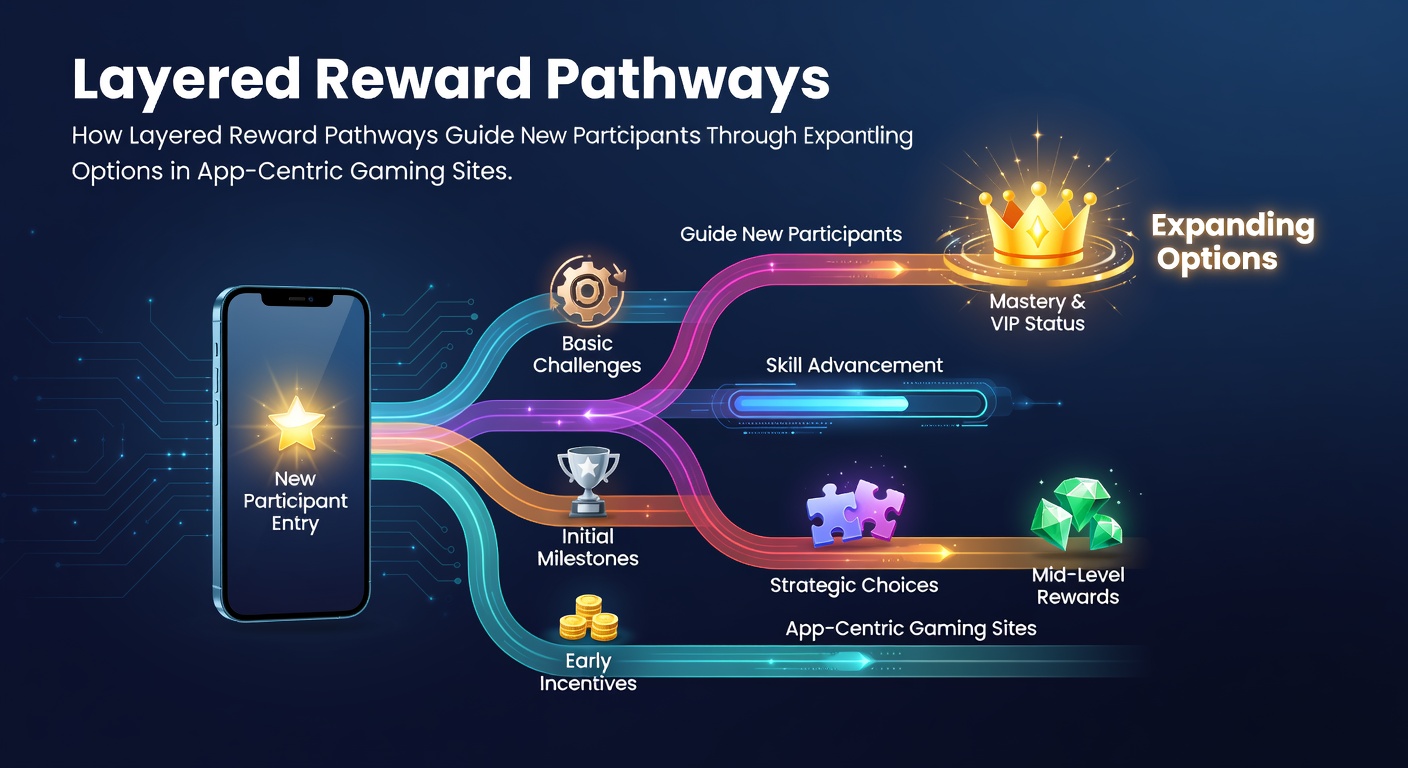
App-centric gaming sites structure participation through sequential reward layers that begin with straightforward entry incentives and progress toward multifaceted engagement systems. These pathways introduce new users to core mechanics before revealing additional features such as varied game categories, social elements, and personalized challenges. Data from industry monitoring services shows that structured progression models appear in numerous mobile platforms across North America and Europe as of mid-2026.
Initial Reward Layers and User Onboarding
Entry-level rewards typically activate upon account creation and first deposit, granting users immediate access to base game selections without requiring prior platform knowledge. Observers note that these starting tiers often include free spin allocations or matched deposit credits that function as guided tutorials. The design directs participants toward specific titles while simultaneously tracking activity metrics that determine eligibility for subsequent layers. Research from academic centers studying digital entertainment patterns indicates that such onboarding sequences reduce early exit rates by presenting options incrementally rather than overwhelming users with full catalogs at once.
Participants who complete initial tasks unlock secondary rewards tied to play frequency or session duration. These milestones introduce currency systems and basic customization tools that expand the visible interface. Figures from platform analytics firms reveal consistent patterns where users who engage with the second reward layer spend additional time exploring menu expansions compared with those who stop after the first interaction.
Progression Mechanisms and Feature Unlocking
Subsequent layers build upon prior activity by linking rewards to specific behavioral markers such as game variety sampling or social sharing. Users encounter new sections within the app that were previously hidden or grayed out until thresholds are met. This staged revelation process guides individuals through increasingly complex betting structures and tournament formats without abrupt shifts in complexity. Reports compiled by regional gaming associations document how these mechanisms correlate with higher retention across demographic groups in both regulated and emerging markets.
Platform operators integrate real-time feedback loops that adjust reward pacing based on individual interaction histories. When users reach defined play volumes, the system surfaces loyalty point trackers and tier advancement indicators. Those who continue receive invitations to exclusive events or accelerated point multipliers that further diversify available choices. Evidence from longitudinal studies on mobile engagement shows these adaptive elements maintain momentum through June 2026 updates that refined notification timing for broader user bases.
Expansion into Advanced Options and Customization
Once users navigate middle reward tiers, pathways open toward premium content including live dealer integrations, progressive jackpot pools, and community leaderboards. Each advancement requires cumulative actions that demonstrate familiarity with earlier layers. This cumulative structure ensures participants encounter expanded options only after demonstrating readiness through prior completions. Industry data aggregators report measurable increases in session depth among users who follow the full sequence versus those accessing advanced features directly through external promotions.
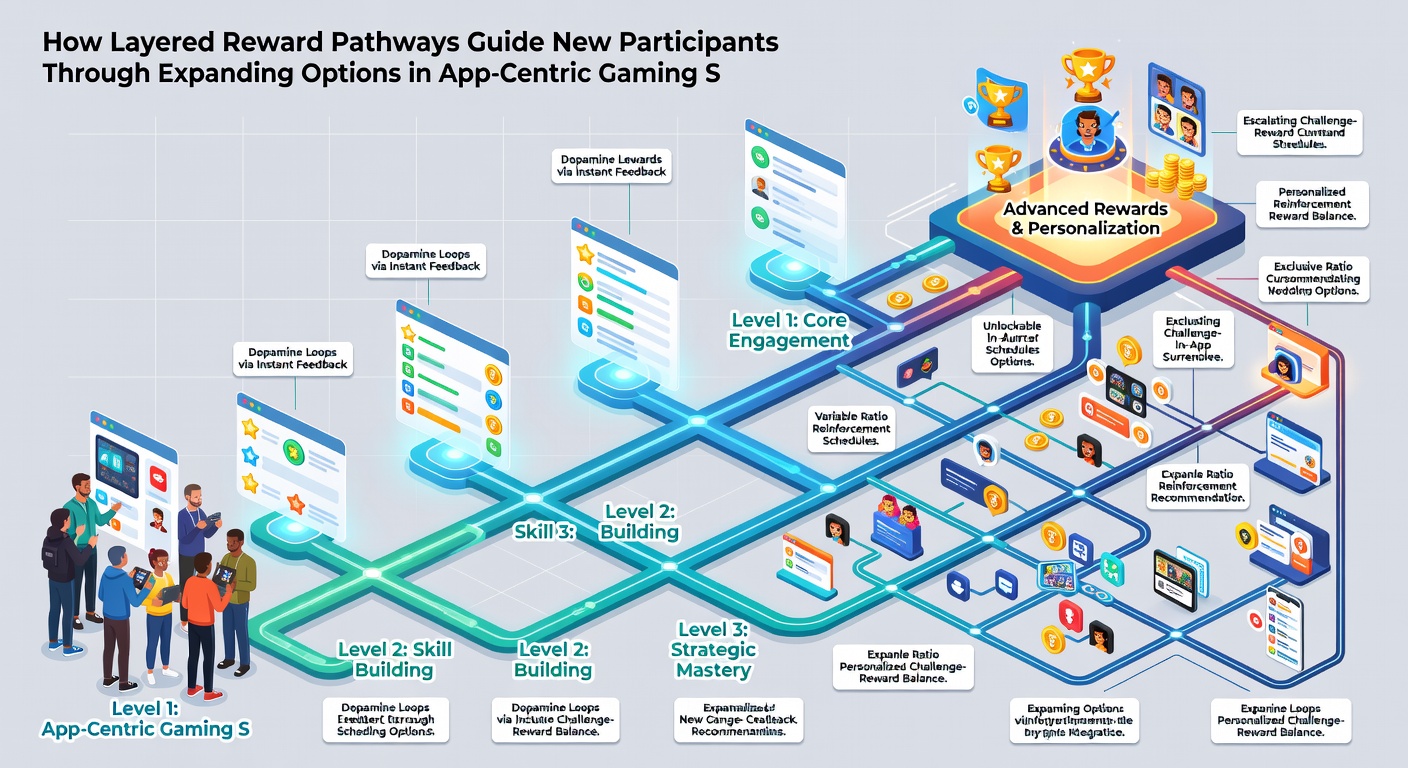
Customization elements appear alongside these expansions, allowing users to select preferred reward types such as cashback percentages versus bonus credits. The choice architecture encourages continued movement through the pathway while accommodating different play styles. According to statistics released by the Canadian Gaming Association, platforms employing multiple reward branches observe broader category exploration among long-term participants.
Integration with Regulatory and Market Trends
Layered systems align with compliance requirements in various jurisdictions by incorporating responsible play prompts at each transition point. Users receive periodic summaries of activity alongside reward notifications, creating natural checkpoints. External analyses from research institutions such as those affiliated with the University of Sydney highlight how transparent milestone tracking supports both engagement goals and regulatory expectations in Australasian markets.
Market expansion in 2026 has seen several platforms introduce cross-device synchronization for reward progress, enabling seamless continuation between mobile sessions and desktop access. This technical layer connects directly to the behavioral pathways by preserving advancement status across environments. Figures compiled by the European Gaming and Betting Association track adoption rates of synchronized systems among operators targeting international audiences.
Conclusion
Layered reward pathways in app-centric gaming sites function as structured navigation tools that sequence feature introductions according to user activity milestones. From initial onboarding credits through advanced customization branches, these systems present expanding options in digestible stages. Available data through June 2026 indicates sustained implementation across multiple regions, with platform metrics reflecting patterns of progressive engagement tied to reward completion sequences.