How Milestone Milestones Sync With Regulatory Checkpoints to Unlock Sustained Play Incentives Across App Networks
Rafael Wagner · Aug 21, 2026
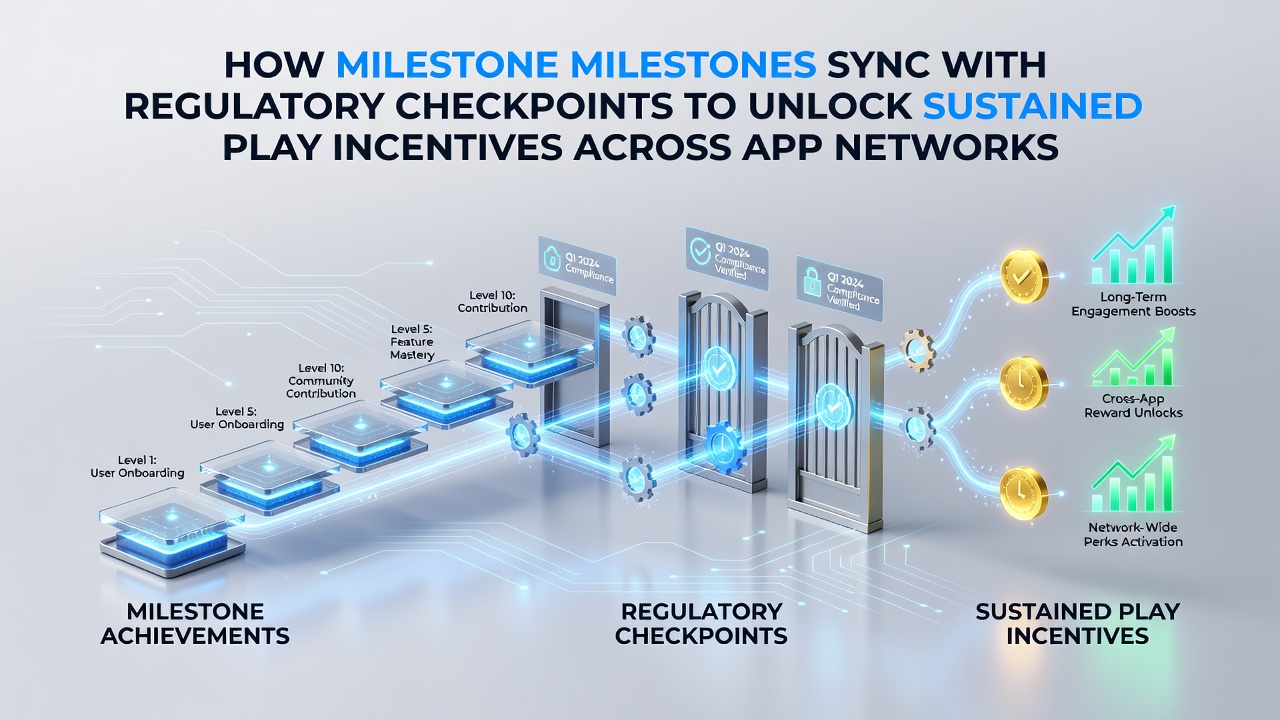
How Milestone Milestones Sync With Regulatory Checkpoints to Unlock Sustained Play Incentives Across App Networks
App networks that deliver sustained play incentives operate through tightly coordinated systems where milestone achievements align directly with regulatory checkpoints. These alignments determine when players gain access to ongoing rewards such as bonus credits, loyalty multipliers, and progressive features. Data from multiple jurisdictions shows that operators embed verification steps at specific progress thresholds, which in turn releases incentives only after compliance conditions are met. In August 2026, several cross-border platforms reported adjusted rollout schedules for these mechanisms following updates from regional authorities in North America and Asia-Pacific markets.
Core Components of Milestone Systems
Milestone frameworks track cumulative activity metrics including deposit volume, session duration, and wager totals. Each threshold triggers a review sequence that references stored player data against regulatory requirements such as identity confirmation, age verification, and responsible gaming flags. Operators integrate these reviews into automated pipelines so that incentive delivery pauses automatically if any checkpoint fails. Research from industry monitoring groups indicates that networks using this structure maintain higher compliance rates across multiple device types and geographic zones.
Regulatory Checkpoints in Practice
Checkpoints function as mandatory gates rather than optional reviews. They draw on requirements established by bodies including the Nevada Gaming Control Board and the Australian Communications and Media Authority. When a player reaches a defined milestone, the system queries external databases or internal compliance modules to confirm ongoing eligibility. Failure at any point blocks the next incentive tier until the issue resolves. This process repeats at subsequent milestones, creating a recurring validation loop that spans the entire player lifecycle within the app network.
Synchronization Mechanisms Across Borders
Cross-border app networks rely on unified data schemas that map local regulatory rules onto global milestone sequences. A single progress tracker can reference different checkpoint criteria depending on the player's registered jurisdiction. For instance, one platform segment might require additional transaction monitoring after a certain deposit level while another segment emphasizes session time limits. According to reports from the National Council on Problem Gambling, these layered mappings help operators scale incentive programs without violating individual market rules. The synchronization occurs through backend APIs that pull real-time regulatory status before unlocking each reward layer.
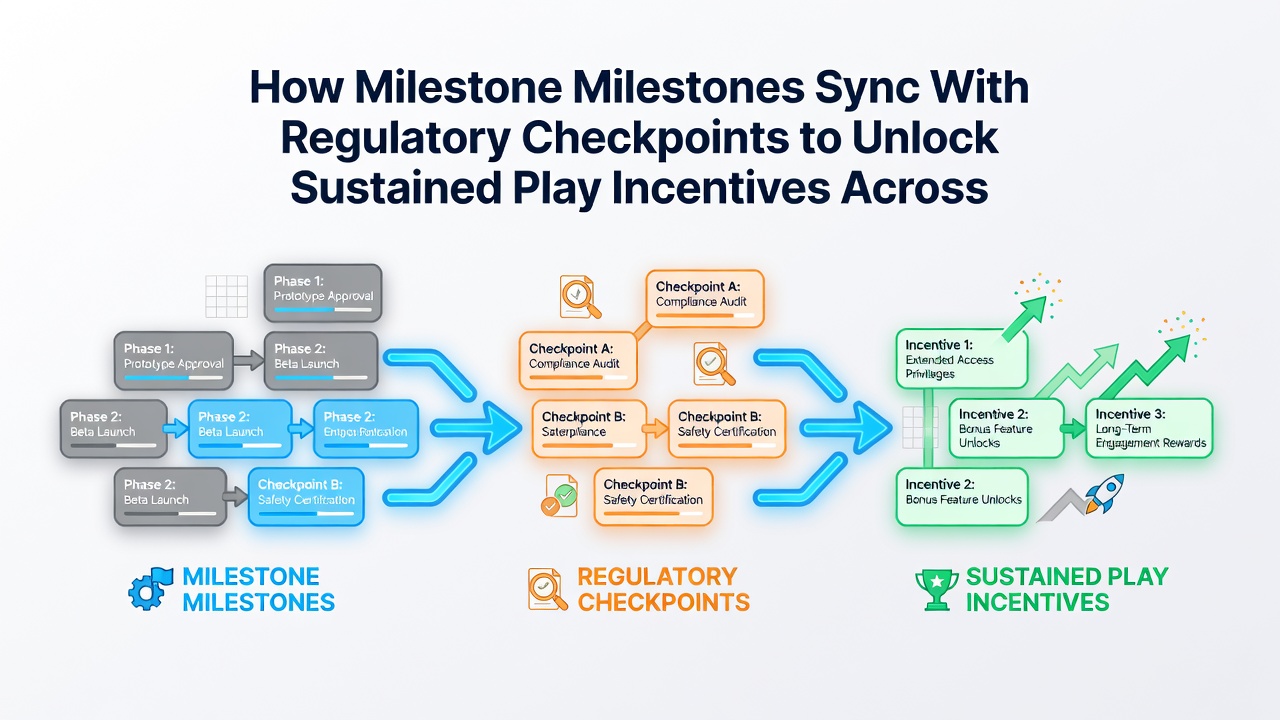
Examples of Incentive Unlocks Tied to Checkpoints
One documented case involves a multi-region platform that gates daily reward multipliers behind completed verification at the 50-wager milestone. Players who clear the checkpoint receive progressive boosts that continue only if subsequent checkpoints at the 150-wager and 300-wager levels also pass. Another network applies similar logic to loyalty point accrual, pausing accumulation until identity re-verification occurs at preset intervals. Observers note that these patterns appear consistently in networks operating across the United States, Canada, and parts of Europe where digital gaming regulations emphasize continuous compliance monitoring.
Data Patterns and Reporting Requirements
Analytics from app networks reveal that synchronized systems generate detailed audit trails for each checkpoint event. These trails support mandatory reporting to oversight bodies and help identify patterns in incentive distribution. Figures released in mid-2026 showed increased frequency of checkpoint-triggered incentive holds in networks serving high-volume mobile users. The same data sets indicate that platforms maintaining tight milestone-to-checkpoint alignment experience fewer regulatory interventions compared with those using looser connections.
Technical Integration Approaches
Developers implement the synchronization through event-driven architectures where milestone completion events publish directly to compliance engines. The engines then query jurisdiction-specific rule sets and return approval or denial signals before any incentive code executes. This method reduces manual oversight and supports real-time adjustments when regulations change. Several networks have adopted standardized data exchange formats to facilitate updates across different app stores and operating systems.
Conclusion
Milestone synchronization with regulatory checkpoints forms the operational backbone for sustained incentive delivery in app networks. The process links player progress directly to compliance status, ensuring that rewards activate only after required validations complete. As networks expand into additional markets, the precision of these alignments continues to shape how incentives remain available over extended periods. Continued coordination between technical systems and regulatory frameworks determines the stability of these incentive structures across evolving app environments.