Linking Account Authentication Stages with Perpetual Play Benefits Across Innovative Smartphone Gaming Platforms
Katja Zimmermann · Aug 17, 2026
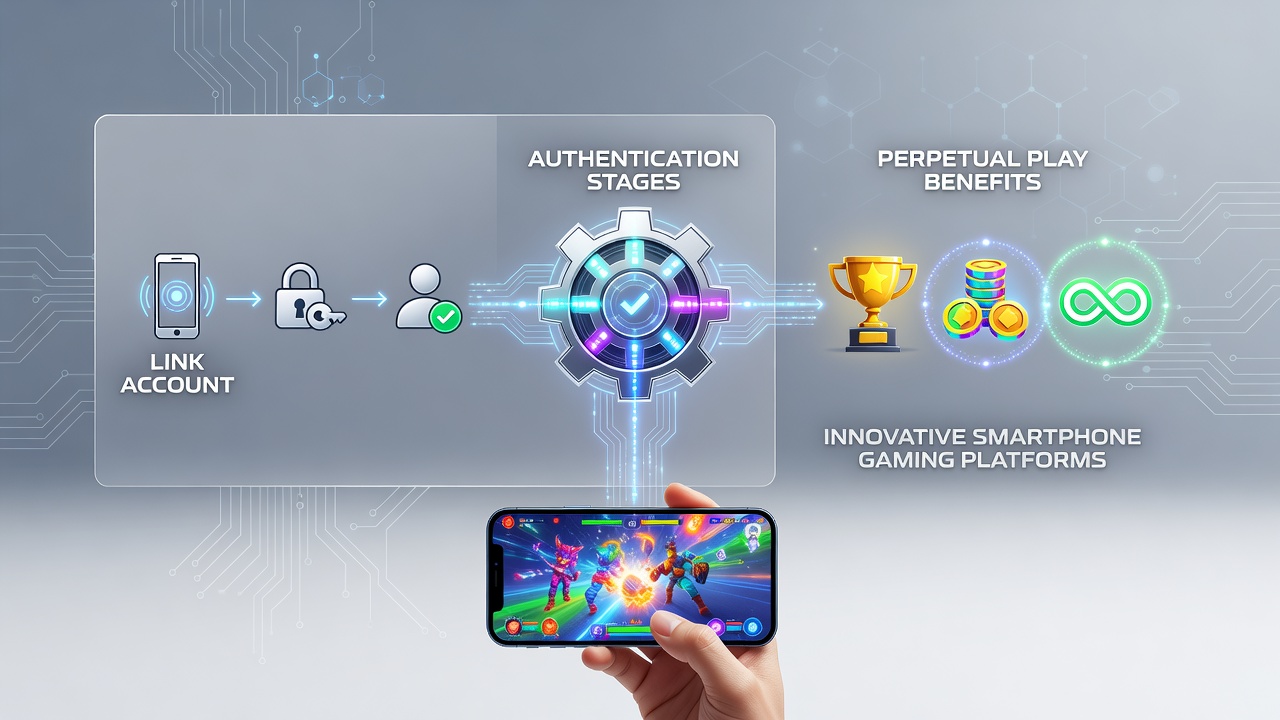
Linking Account Authentication Stages with Perpetual Play Benefits Across Innovative Smartphone Gaming Platforms
Platforms on smartphone gaming networks tie verification sequences directly to ongoing reward structures, and this connection shapes how users progress from initial sign-up through extended participation periods. Registration begins with basic details such as email and device identifiers, after which operators prompt for identity documents to complete compliance checks required by regional regulations. Once those steps finish, accounts unlock layered benefits that continue across multiple sessions rather than ending after a single deposit or play period.
Stages of Account Verification on Mobile Platforms
Initial entry requires only an email confirmation and phone number linkage, yet full access to sustained promotions demands additional layers including government-issued identification and proof of address. Data from industry monitoring services shows that completion rates for these extended checks reached higher figures in markets with strict licensing rules by mid-2026. Operators integrate these stages into app flows so that each verified element immediately activates corresponding reward tiers, such as increased loyalty point multipliers or access to recurring cashback schedules.
Perpetual Play Benefits and Their Mechanics
Perpetual benefits operate through automated systems that track verified accounts and distribute rewards on a scheduled basis, including weekly free spin allocations or monthly deposit match extensions. These mechanisms differ from one-time welcome offers because they persist as long as the account maintains activity thresholds and compliance status. Research reports compiled by gaming analytics firms indicate that users who finish full authentication sequences maintain session counts 30 to 40 percent higher than those who remain at partial verification levels across comparable timeframes.
Integration Patterns Observed in August 2026
By August 2026 many operators had refined their backend systems to trigger perpetual rewards immediately after each verification milestone, eliminating previous delays that lasted several days. This adjustment followed updates in data-sharing protocols between mobile payment processors and gaming servers, allowing real-time status updates. Figures from North American regulatory summaries reveal that platforms adopting these instant linkages recorded measurable increases in average user lifetime value during the preceding fiscal quarter.
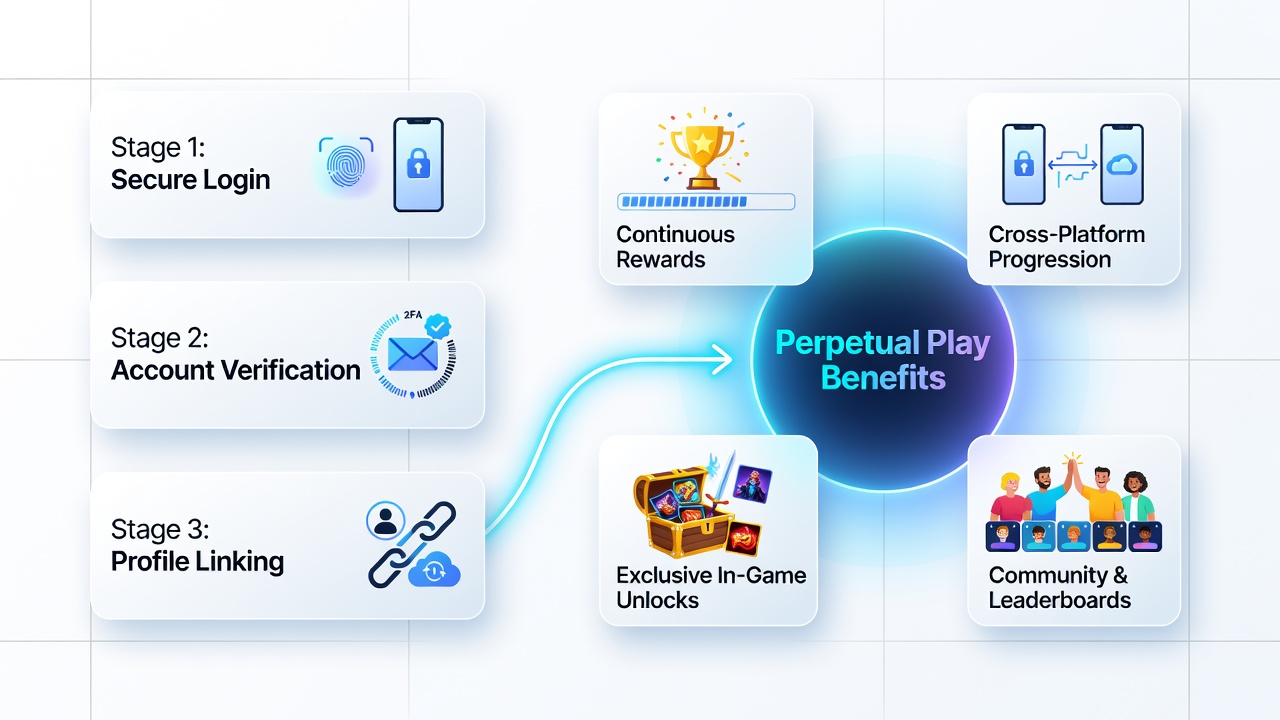
European operators followed similar patterns after the rollout of updated digital identity standards, while Australian and Canadian platforms incorporated biometric options such as facial recognition to accelerate the final verification stage. These regional variations produce distinct reward schedules, yet the underlying principle remains consistent: completed authentication directly feeds into algorithms that calculate ongoing play incentives.
Regional Regulatory Influences on Linkage Systems
Authorities in multiple jurisdictions require documented proof that reward distribution occurs only for accounts meeting identity standards, which has pushed developers to embed verification checkpoints inside reward engines. A report issued by the New Jersey Division of Gaming Enforcement outlined how state-licensed mobile platforms must log each authentication event before releasing recurring promotional credits. Similar requirements appear in guidelines from the Malta Gaming Authority, where operators submit quarterly audits confirming that perpetual benefit systems align with verified user data.
Technical Implementation Across App Networks
Developers employ API connections between compliance databases and loyalty modules so that any change in verification status instantly recalculates available rewards. Users who complete identity checks early receive accelerated point accrual rates that compound over successive weeks, while partial accounts stay limited to base-level daily login bonuses. Case studies presented at industry conferences in 2026 demonstrated that these technical linkages reduced manual support tickets related to missing rewards by substantial margins across several major app providers.
Retention Data and Platform Comparisons
Analytics released by the European Gaming and Betting Association showed that platforms with tightly integrated verification-to-reward pathways experienced lower churn rates among users who reached the second month of activity. Retention curves flatten more gradually when perpetual benefits activate progressively rather than all at once, because each new verified stage introduces fresh incentives that encourage continued play. Observers tracking smartphone-specific data note that iOS and Android environments display comparable patterns once operators standardize their authentication flows.
Conclusion
The linkage between authentication stages and perpetual play benefits continues to evolve as mobile gaming platforms refine compliance tools and reward algorithms. Regional regulatory bodies maintain oversight through periodic audits, while technical integrations allow real-time updates that align verified status with ongoing incentives. Data collected through 2026 indicates that these connected systems support sustained user engagement across diverse geographic markets and device ecosystems.