Mapping Interconnected Reward Structures Across Borderless Digital Wagering Networks and Their Influence on Verification-Driven Player Pathways
Katja Zimmermann · Jul 22, 2026
Mapping Interconnected Reward Structures Across Borderless Digital Wagering Networks and Their Influence on Verification-Driven Player Pathways
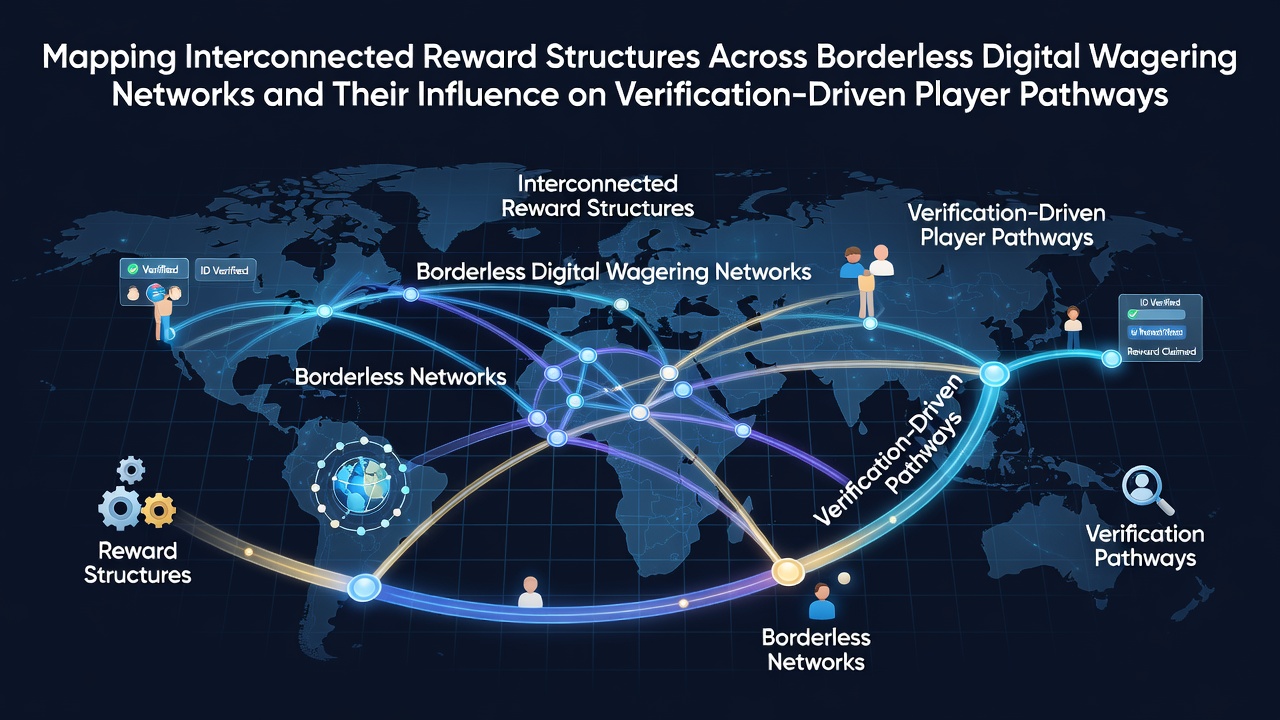
Digital wagering networks operate across multiple jurisdictions and connect reward mechanisms through shared databases that track player activity from initial registration onward. These systems link bonuses, loyalty points, and promotional credits so that actions completed on one platform trigger incentives on others, creating pathways shaped by verification requirements at each stage. Operators design these structures to maintain continuity for users who move between mobile applications and desktop sites while complying with regional rules on identity checks. Verification steps such as document uploads and biometric scans serve as gateways that unlock successive reward tiers, and data flows between networks allow operators to adjust offers based on completed milestones.Network Architecture and Data Sharing Protocols
Borderless platforms rely on application programming interfaces that exchange player data in real time, so a completed age verification in one region activates reward eligibility elsewhere without requiring repeated submissions. This setup reduces friction for users while satisfying regulatory demands for accurate record keeping across different licensing authorities.
Studies from the American Gaming Association document how these protocols integrate loyalty ledgers with compliance modules, enabling operators to map every verification event to corresponding reward releases. In practice, a player who verifies an account on a European-licensed app receives synchronized credit offers on an affiliated Asian network once the shared system confirms the status.
Verification as the Central Node in Player Pathways
Verification processes sit at the center of these pathways because they determine when and how rewards become accessible. Initial identity confirmation often unlocks entry-level bonuses, while ongoing checks tied to deposit limits or withdrawal requests open higher-value incentives. Operators configure these sequences so that each verified action advances the player through layered reward structures without breaking the chain of connected accounts.
Research indicates that platforms using unified verification services experience higher completion rates for multi-step reward programs compared with those maintaining separate regional databases. The connections allow a single verified profile to carry forward progress across networks, which in turn influences how players select subsequent gaming options based on available promotions.
Patterns Observed in July 2026 Data Exchanges
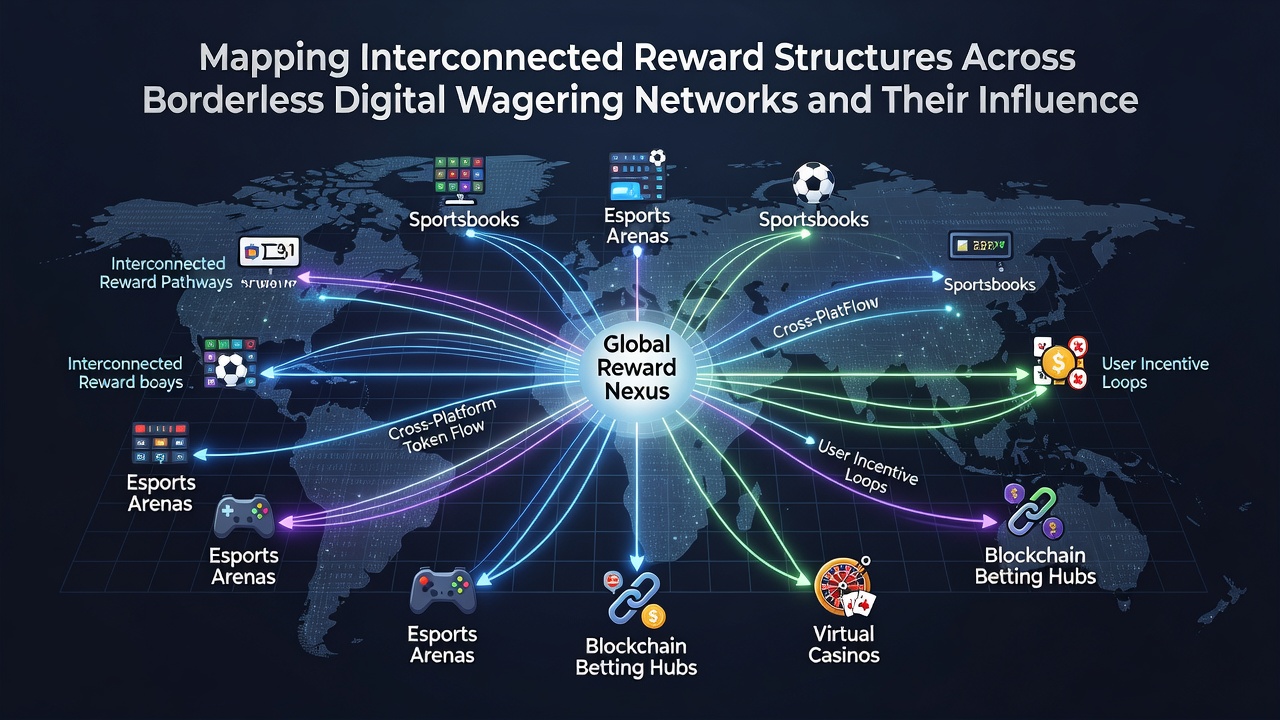
During July 2026, aggregated reports from multiple networks showed increased synchronization between verification timestamps and reward activation logs, with operators noting that players who completed enhanced checks early in the month accessed cross-network promotions at elevated rates. These patterns emerged from routine data sharing that maps every verification step to corresponding incentive releases across participating platforms.
Industry organizations tracking these exchanges observed that borderless networks adjust reward density according to verification frequency, concentrating higher-value offers around accounts that maintain consistent compliance records. The result appears in player movement data where verified users migrate toward platforms offering stacked incentives tied to the same identity profile.
Regional Regulatory Influences on Reward Mapping
Different licensing regimes impose distinct verification intervals that reshape how rewards interconnect across networks. Platforms licensed in stricter jurisdictions require more frequent checks, which operators accommodate by creating conditional reward branches that activate only after those additional verifications occur. This produces pathways that diverge based on the regulatory origin of each account segment.
Figures released by the Australian Communications and Media Authority illustrate how verification cadence affects reward distribution in cross-border systems, with operators aligning their incentive calendars to match regional reporting cycles. The mapping process ensures that rewards tied to one jurisdiction's compliance rules remain compatible with offers originating elsewhere.
Conclusion
Interconnected reward structures in borderless digital wagering networks function through verification events that serve as both checkpoints and triggers for player progression. The data flows established between platforms allow operators to maintain consistent pathways while adapting to varied regulatory environments, and the resulting maps reveal how verification requirements shape access to incentives across global networks. Continued monitoring of these connections provides operators and regulators with detailed records of how players navigate verification-linked reward sequences in real time.