Sequential Activation Chains Linking Signup Triggers to Sustained Play Cycles in Borderless App Networks
Viktor Simmons · Jun 24, 2026
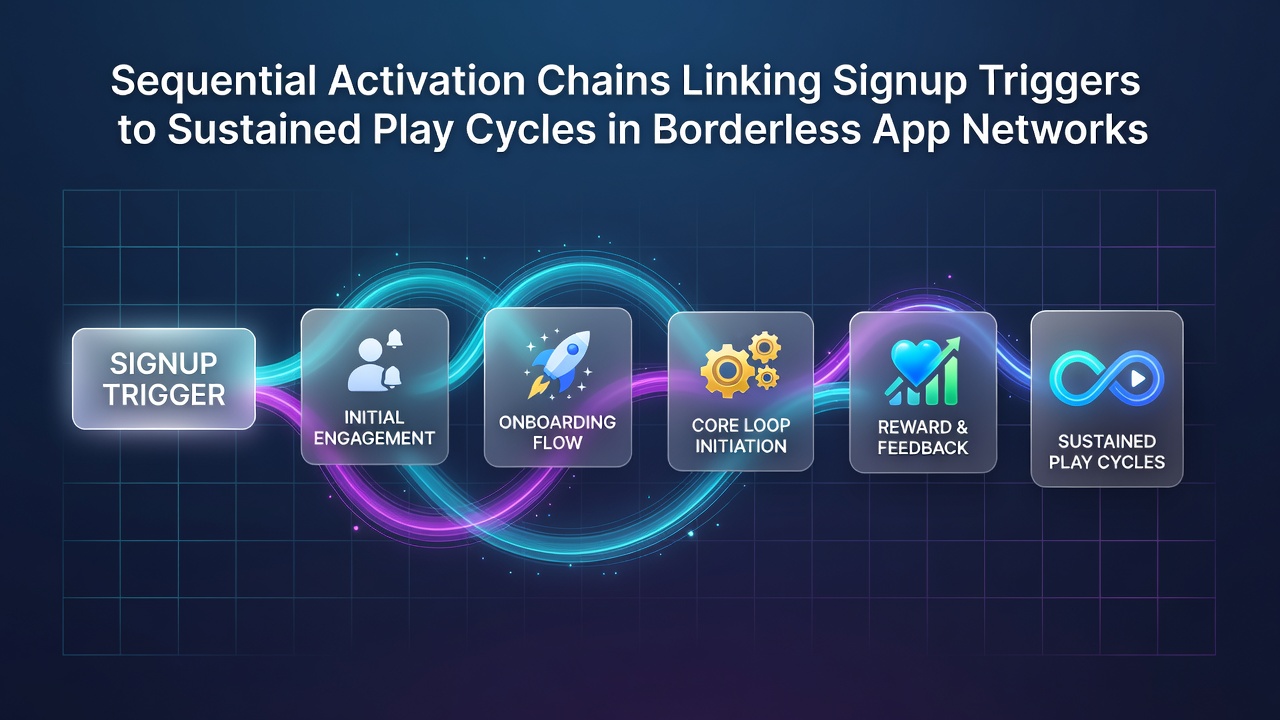
Sequential Activation Chains Linking Signup Triggers to Sustained Play Cycles in Borderless App Networks
Borderless app networks operate across multiple jurisdictions and device platforms where signup processes initiate sequences that connect initial user entry points to ongoing engagement patterns, and these sequences rely on coordinated triggers such as verification prompts, first-interaction rewards, and progressive feature unlocks. Data from industry analyses shows that these chains form when apps deploy automated steps immediately after account creation, with each completed action unlocking the next phase in the cycle while measurement tools track retention metrics across regions.
Core Components of Signup Triggers
Signup triggers in these networks typically begin with basic registration fields that collect identifiers like email addresses or device tokens, and they extend into secondary actions including identity confirmation through third-party services or social logins, while borderless designs accommodate varying regulatory requirements from different countries without disrupting the flow. Researchers tracking mobile app ecosystems note that effective triggers incorporate immediate feedback loops such as welcome notifications or starter incentives, which data from 2025 deployments indicates can increase completion rates by linking directly to subsequent activation stages rather than leaving users at standalone entry points.
One documented pattern appears in networks serving international users where location-based compliance checks activate right after initial signup, and these checks feed into personalized content recommendations that prepare the ground for sustained cycles, whereas apps lacking integrated triggers often see drop-offs before the first play session completes. Figures from global digital reports reveal that June 2026 projections estimate continued growth in such mechanisms as platforms expand into emerging markets with refined onboarding sequences.
Building Sequential Chains to Play Cycles
Sequential activation chains develop when each signup milestone connects to play-related actions through coded pathways that reward progression, and examples include apps that move users from account setup to tutorial sessions then to limited free rounds before introducing paid features, with each step timed to maintain momentum. Observers of app analytics platforms have recorded how these chains incorporate branching logic that adapts to user behavior, such as accelerating rewards for those who complete early verifications while routing others through additional prompts, and this adaptability supports sustained play by aligning incentives with individual patterns across time zones and regulatory zones.
Industry data indicates that chains linking verification to initial play sessions show measurable effects on retention when they include milestone celebrations or streak bonuses, and case studies from multi-region operators demonstrate that users who pass through four or more linked activations within the first 48 hours exhibit higher repeat engagement rates than those encountering isolated steps. What's interesting here is how borderless networks handle cross-border data flows to keep these sequences intact without violating local rules, as automated systems adjust trigger timing based on detected user locations.
Role of Borderless Infrastructure
Borderless app networks depend on cloud-based architectures and API integrations that allow triggers and chains to function uniformly regardless of user origin, while backend systems synchronize play cycle data from various app stores and payment processors. Reports compiled by the Canadian Radio-television and Telecommunications Commission highlight infrastructure developments that support seamless activation sequences in gaming and entertainment apps, and similar patterns appear in analyses from Australian digital economy studies where operators coordinate triggers across Oceania and Southeast Asian markets.
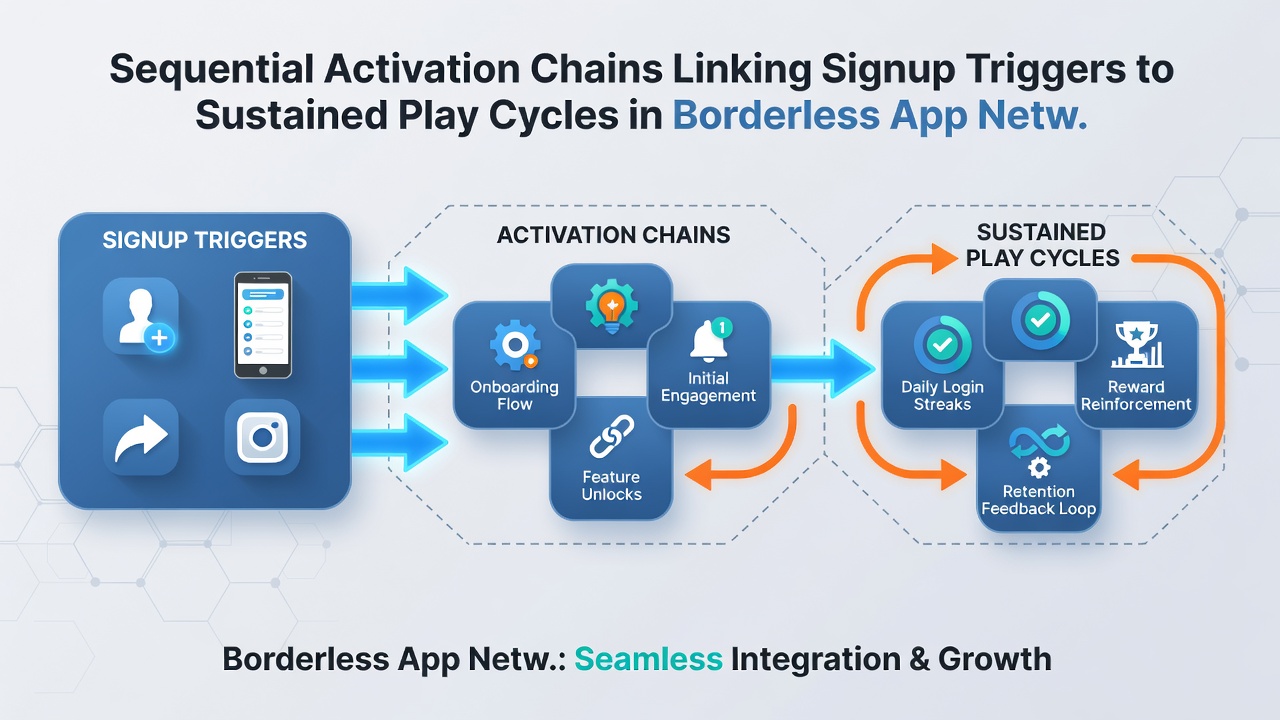
These infrastructures incorporate real-time analytics that monitor chain completion rates and flag interruptions, enabling operators to refine sequences without manual intervention in each region, and evidence from platform performance logs shows that June 2026 updates often focus on enhancing these monitoring tools to handle increased traffic from seasonal user surges. People who study digital retention note that successful chains reduce friction points by embedding play cycle elements directly into the signup flow rather than treating them as separate modules.
Measurement and Optimization Patterns
Optimization of activation chains relies on aggregated metrics such as time-to-first-play and session frequency, with operators using A/B testing to adjust trigger intensity and reward value while maintaining compliance across borders, and academic research from institutions examining user behavior in digital platforms has documented correlations between chain length and long-term cycle stability. Data shows that networks applying layered triggers achieve steadier play patterns when they balance immediate gratification with progressive challenges, whereas overly aggressive sequences can lead to early exits before sustained engagement sets in.
Additional examples surface in networks that integrate community features into the chain, such as social sharing prompts after initial play sessions that loop users back into verification upgrades, and these integrations draw from findings in reports by the OECD digital economy outlook series which track how global platforms manage activation sequences amid evolving data protection standards. Observers note that June 2026 timelines align with anticipated expansions in these measurement frameworks as more operators adopt unified dashboards for cross-jurisdictional oversight.
Conclusion
Sequential activation chains in borderless app networks function by systematically linking signup triggers to sustained play cycles through coordinated technical and incentive layers, and available data from regulatory and research sources confirms their role in shaping user progression across international platforms. Continued refinements in infrastructure and analytics point toward more precise calibration of these sequences in coming periods, supporting consistent engagement metrics while respecting regional variations in app operations.