Shifts in Layered Incentive Pathways that Connect Verification Steps with Ongoing Play Patterns Across Borderless App Networks
Katja Zimmermann · Jun 12, 2026
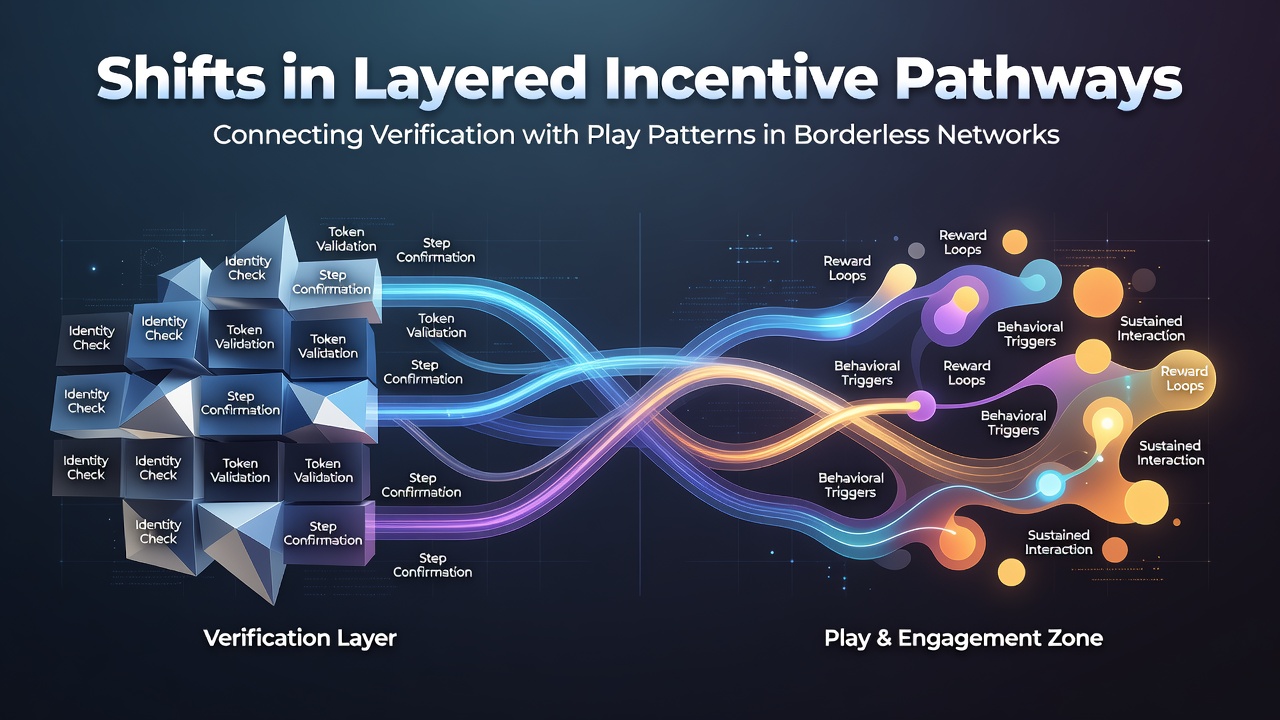
Shifts in Layered Incentive Pathways that Connect Verification Steps with Ongoing Play Patterns Across Borderless App Networks
Borderless app networks have restructured how incentives operate by tying initial verification protocols directly to patterns of continued participation, and observers note that this integration has accelerated since early 2025 as platforms expand across multiple jurisdictions.
Verification as the Entry Point in Incentive Design
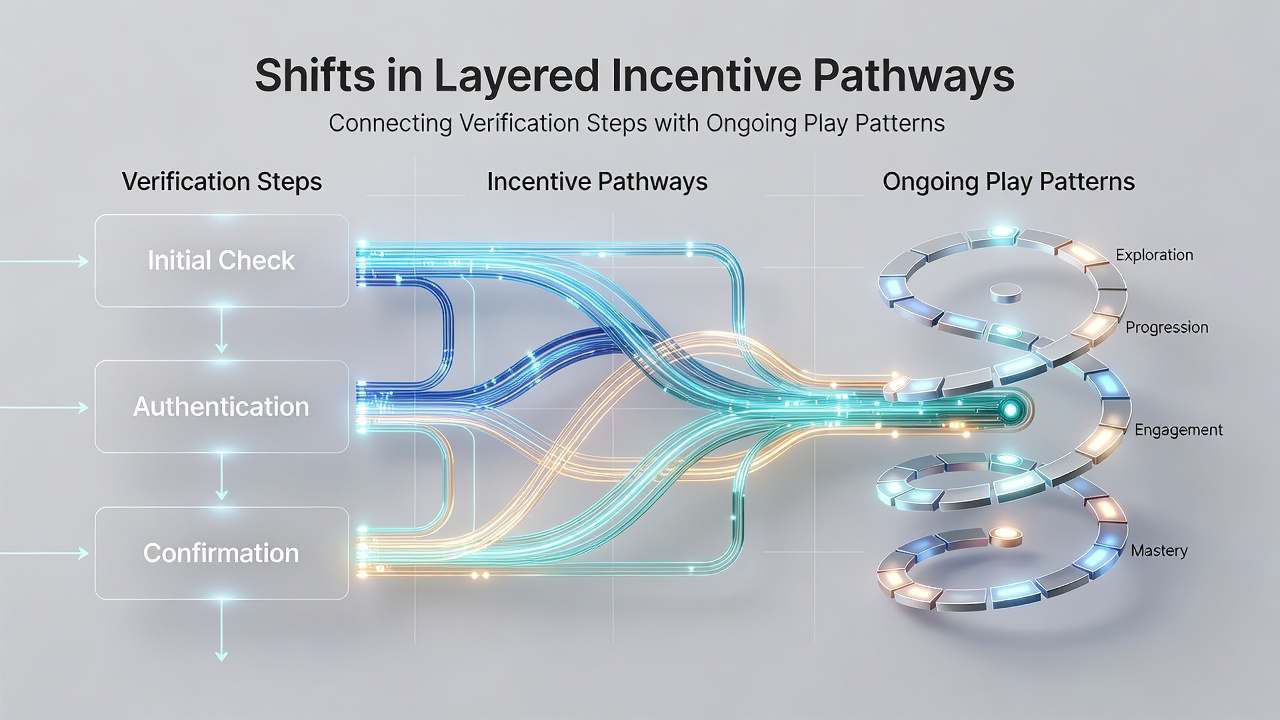
Platforms now embed identity confirmation steps into the first layer of reward structures, where users complete document uploads or biometric checks before accessing any bonus tiers, and this approach stems from regulatory requirements that emerged in several regions during 2024. Data from the European Gaming and Betting Association indicates verification completion rates influence how quickly participants unlock subsequent reward levels, while similar patterns appear in reports issued by the Australian Communications and Media Authority. Those who finish verification early often receive accelerated access to deposit-match offers or free-play credits that scale based on initial session length.
Layered Pathways and Play Pattern Integration
Once verification clears, incentive systems shift toward tracking behavioral metrics such as session frequency, wager volume, and game variety to determine progression through additional layers, and this creates a continuous loop where each completed action feeds data back into personalized reward calculations. Research compiled by the University of Nevada Gaming Research Center shows that platforms employing these layered models retain users at higher rates when verification data combines with real-time play analytics, whereas simpler flat-bonus structures without pattern linkage demonstrate shorter engagement windows. Network operators adjust thresholds monthly, raising or lowering requirements for the next incentive tier according to aggregated performance indicators gathered across user cohorts.
Borderless Network Dynamics in June 2026
By June 2026 cross-border app networks had standardized certain verification-to-play linkages to accommodate users moving between regions without resetting progress, and this development followed updates from the International Association of Gaming Regulators that encouraged interoperability protocols. Operators now synchronize verification records through shared secure ledgers, allowing a user verified in one market to carry forward incentive eligibility into another without repeating full document submission, while ongoing play data continues to inform reward adjustments regardless of location. Figures released by the Singaporean Gambling Regulatory Authority highlight a measurable uptick in multi-jurisdiction sessions during the first half of 2026, correlating with platforms that maintain seamless layered pathways.
Play patterns tracked across these networks include time spent on specific titles, bet-size consistency, and response to time-limited events, and these elements feed into algorithmic decisions that unlock or withhold the next incentive layer. When patterns show declining activity, systems often trigger targeted micro-rewards calibrated to re-engage the user before the next verification-linked milestone arrives.
Impact on Retention and Network Expansion
Industry reports from the Canadian Gaming Association document that networks adopting verification-tied layered incentives experienced steadier month-over-month retention compared with those relying on standalone sign-up offers, and this stability supports further geographic expansion without proportional increases in new-user acquisition costs. Operators refine these pathways through A/B testing cycles that isolate variables such as verification speed versus reward granularity, producing datasets that guide subsequent updates. Cross-network partnerships have emerged where one platform supplies verification infrastructure while another manages play-pattern analytics, creating modular systems that scale across app ecosystems.
Conclusion
The evolution of these incentive structures continues as networks refine connections between verified identities and sustained play metrics, and ongoing data collection from multiple regulatory bodies and research institutions shapes how future layers will function. Platforms that maintain flexible yet compliant pathways position themselves to handle expanding user bases across borders while preserving the integrity of reward distribution mechanisms.