Tracing Incentive Pathway Adjustments Based on Aggregated Player Input in Pioneering App-Based Betting Destinations
Viktor Simmons · Jul 8, 2026
Tracing Incentive Pathway Adjustments Based on Aggregated Player Input in Pioneering App-Based Betting Destinations
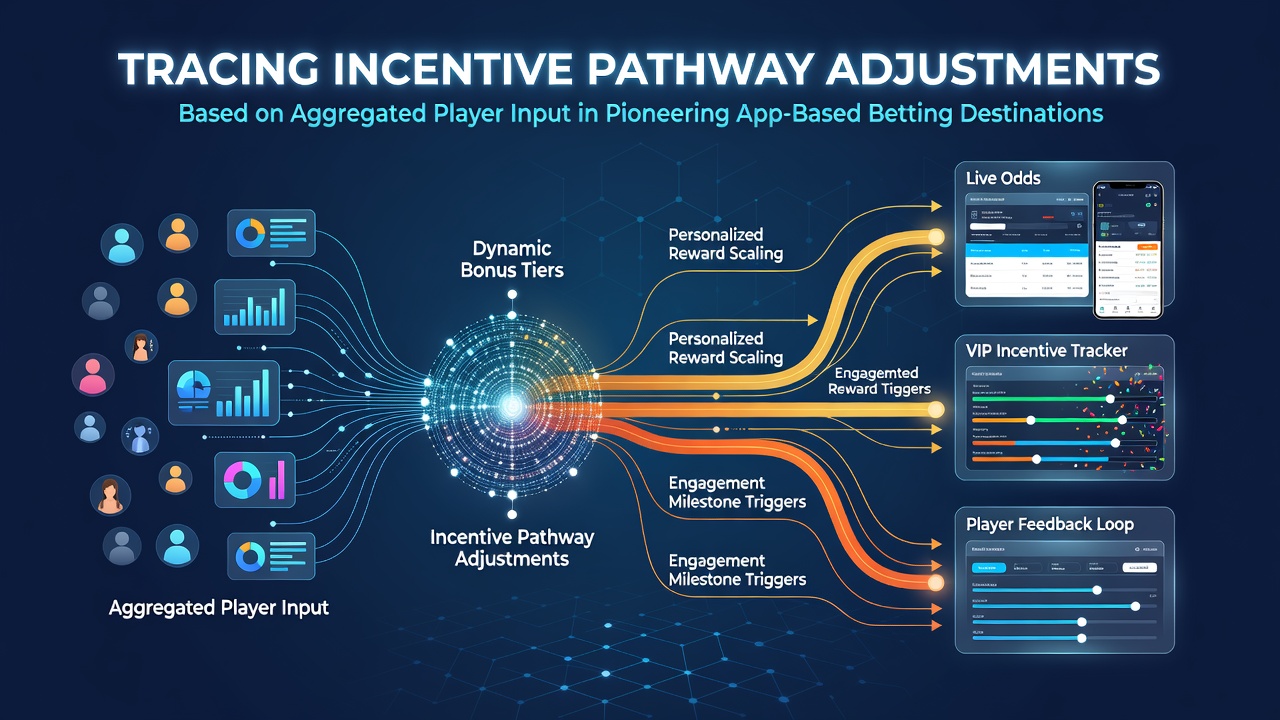
App-based betting destinations have refined incentive structures through systematic collection of player data, and this process relies on aggregated input rather than isolated responses. Operators track patterns from in-app surveys, usage logs, and transaction histories, which then guide modifications to reward tiers and promotional sequences. Data from multiple regions shows that platforms in North America and Asia-Pacific markets adjusted welcome bonuses and ongoing loyalty mechanics during the first half of 2026 based on these aggregated signals.
Data Aggregation Methods Across Platforms
Developers integrate feedback mechanisms directly into mobile interfaces, and users submit responses through quick polls or detailed forms that capture preferences on bonus types and redemption thresholds. Behavioral metrics such as session duration and deposit frequency combine with explicit input, creating composite datasets that highlight common trends. Researchers at institutions like the University of Nevada, Las Vegas have examined how these combined sources reveal shifts in player priorities, particularly around verification-linked rewards and milestone bonuses.
Platforms segment data by player cohort, and this segmentation allows operators to identify which incentive adjustments resonate with new entrants versus established users. Reports from the Nevada Gaming Control Board indicate that several licensed operators updated their free-play structures in early 2026 after reviewing aggregated patterns from thousands of accounts. The process involves automated tools that flag recurring comments on reward timing and value, while human analysts review outliers to maintain accuracy.
Adjustment Processes in Practice
Once datasets reach sufficient scale, teams implement changes through iterative testing phases, and these phases measure retention rates before full rollout. One documented case involved an app network that shortened the path between account verification and initial bonus activation after input showed friction at that step. Adjustments also extended to perpetual promotions, where aggregated feedback led to more flexible playthrough requirements in select jurisdictions.
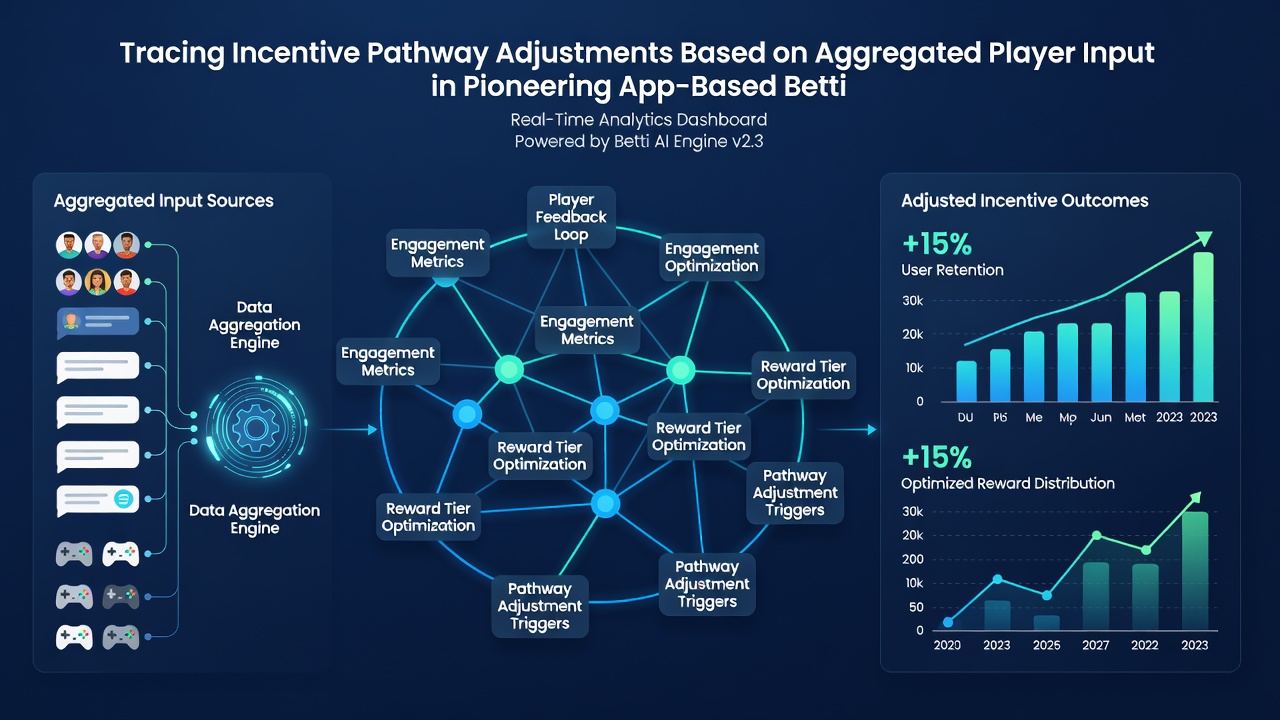
By July 2026 several pioneering destinations had introduced tiered pathways that adapt in real time based on ongoing player signals. These pathways connect sign-up incentives with mid-term engagement rewards, and the connections tighten when data indicates higher dropout rates at specific points. Operators monitor conversion metrics closely during these transitions, ensuring modifications align with regulatory expectations in each operating region.
Regional Examples and Regulatory Context
Operators in Australian markets have applied similar aggregation techniques, and figures from the Australian Communications and Media Authority reveal increased use of player-driven refinements in incentive design during 2025 and 2026. Canadian provincial regulators have likewise noted that aggregated input informs how borderless app networks structure ongoing play bonuses. The approach avoids one-size-fits-all models by prioritizing patterns that appear across large user bases rather than individual requests.
Industry reports highlight that these adjustments often focus on reducing barriers between verification steps and reward access, which data consistently flags as a retention factor. Platforms test revised sequences in limited cohorts first, then scale successful variants while tracking metrics such as return visit rates and average session value. This measured rollout keeps changes grounded in observable trends instead of assumptions.
Measuring Outcomes From Input-Driven Changes
Retention analytics provide the clearest view of whether adjustments deliver intended results, and multiple studies track these outcomes over three to six month periods. Data shows that pathways refined through aggregated input frequently produce steadier engagement curves compared with static reward systems. Operators document these results internally and share summary findings with regulatory bodies to maintain compliance across jurisdictions.
What's interesting is how feedback loops continue after initial changes, allowing further refinements as new input arrives. This ongoing cycle means incentive structures evolve gradually rather than through abrupt overhauls, and the gradual pace helps platforms maintain stability while responding to player priorities.
Conclusion
Aggregated player input now serves as a core driver for incentive pathway adjustments in app-based betting destinations, and the practice spans multiple regulatory environments. Operators rely on combined behavioral and survey data to guide modifications, while testing and monitoring ensure changes support sustained participation. As these methods mature, the connection between player signals and reward design continues to shape how platforms structure entry-level and ongoing incentives across global markets.